
15 Best Natural Pet Anxiety Remedies: Proven Solutions
Explore 15 proven, safe, and budget-friendly natural pet anxiety remedies for dogs & cats. Vet-approved tips to calm your anxious pet. Pet anxiety is a real problem for many families in the USA. Dogs and cats feel stress just like humans. Some pets shake, bark nonstop, hide under furniture, or follow their owners everywhere. These signs indicate pet stress and anxiety in dogs and cats and can affect a pet’s health, mood, and daily life.
Many pet owners now look for natural, safe, and budget-friendly ways to calm their pets. They want gentle remedies that support their pet’s body and mind without strong medication. Natural options also fit well with families who focus on simple, holistic care.
When you understand the early signs—like pacing, whining, barking, hiding, shaking, or sudden clinginess—you can take action fast. Early support gives better results. It also stops slight anxiety from turning into bigger behavior problems later. With the proper natural remedies, you can offer comfort, build trust, and create a calm home for your pet.
What Causes Anxiety in Pets? (Dogs & Cats)

Pets feel anxiety for many different reasons. Every dog and cat reacts differently, but some triggers affect most pets. When you understand these pet anxiety triggers, you can support your pet early and prevent bigger problems.
Separation anxiety is one of the most common issues. Many dogs panic when their owners leave the house. They bark, scratch the door, or pace nonstop. Some cats also feel stressed when left alone for long periods. This behavior shows clear dog stress signs and cat stress causes that need gentle support.
Loud sounds also scare many pets. Noise phobia from fireworks, storms, or sudden bangs can shake even calm pets. Some pets hide, tremble, or try to escape during loud events. This fear grows stronger when owners ignore the early signs.
Simple changes in everyday life can also create anxiety. A new work schedule, a new baby, or a change in feeding time can stress sensitive pets. Dogs and cats love routine, so even a slight shift can make them uneasy.
A new home or travel can also cause stress. Moving to a new place, staying in unfamiliar rooms, or traveling in a car can overwhelm some pets. They look for safety and feel nervous when everything smells and looks different.
Sometimes anxiety comes from inside the body. Health issues or age-related stress can change a pet’s behavior. Senior pets feel more confused, especially at night. Dogs and cats with pain or illness also show signs of anxiety because they don’t understand what’s happening.
When owners learn these causes, they can react quickly and choose the proper pet anxiety relief methods. Early understanding also improves trust and helps pets feel safe in every situation.
Are Natural Remedies Safe for Pets?

Natural remedies can help many pets feel calm, but owners need clear, safe guidance before they start anything new. Every dog and cat reacts differently, so you need to choose the correct option and use the right amount. When you follow safe steps, natural remedies support your pet’s body, mind, and daily routine with gentle care. Many owners want holistic pet anxiety treatments because they look for comfort without strong medications.
Natural remedies work best when your pet shows mild or moderate anxiety. If your dog shakes during storms or your cat hides from guests, natural options offer fast, gentle relief. Herbs like chamomile, valerian root, and lemon balm help many pets relax. Calming chews with L-theanine also support focus and balance. CBD oil also helps pets who need more substantial relief, but owners need proper guidance from reliable sources.
You still need to see a vet first when you notice unusual behavior, sudden mood changes, or constant fear. If your pet stops eating, cries nonstop, or struggles to move, you need direct veterinary care. A vet can check for pain, illness, or age-related stress before you try any natural remedy. Trusted organizations like the American Kennel Club (AKC), the ASPCA, and the American Veterinary Medical Association (AVMA) recommend a health check when anxiety appears suddenly or grows quickly.
You also need to follow important safety rules. Give the correct dosage because every pet has a different size and sensitivity. Introduce one remedy at a time so you can watch for allergies or stomach upset. Never mix multiple remedies without guidance, as some herbs and supplements can interact. Cats also react strongly to some essential oils, so you need extra care with aromatherapy.
When you use vet-approved natural remedies correctly, you support your pet with safe, effective, and gentle care. This approach builds trust, reduces stress, and protects your pet’s long-term health.
15 Best Natural Remedies for Pet Anxiety (Proven & Safe)
Pets react to anxiety in many ways, but natural remedies can calm the mind and body in a gentle way. Each option below helps reduce pet stress, improves comfort, and provides safe relief when owners follow simple, clear steps.
1 – CBD Oil for Pets (Vet-Guided Use Recommended)
CBD oil works well for cats and dogs who struggle with stress, loud noises, or separation anxiety. It supports the nervous system and helps pets relax without making them sleepy. Many owners choose this option because CBD for pet anxiety gives fast and natural calming relief.
How it works:
CBD interacts with the body’s endocannabinoid system. This system controls mood, stress levels, and emotional balance.
Safety:
Choose THC-free CBD oil made from high-quality USA hemp. Ask a vet about the correct dosage, especially if your pet takes other supplements.
Budget tip:
Small pets need very little CBD, so one bottle lasts a long time.
2 -Calming Chews with Natural Ingredients
Calming chews use gentle ingredients like L-theanine, chamomile, and valerian root. These chews work for both dogs and cats and give quick support for travel, grooming, storms, or visitors.
How it works:
L-theanine improves focus, and herbs reduce stress and restlessness.
Safety:
Choose chews with simple formulas and no artificial flavors. Follow the dosage based on your pet’s weight.
Budget tip:
Many brands offer affordable packs, and you can find pet calming treats natural at most U.S. stores.
3- Chamomile (Tea or Supplement)
Chamomile helps many pets settle down because it has mild anti-anxiety effects. It also supports the stomach, making it well-suited for pets who exhibit anxiety through digestive upset.
How it works:
Chamomile relaxes the nervous system and eases tension.
Safety:
A small amount of cooled chamomile tea or use a pet-safe supplement.
Avoid substantial doses for cats.
Budget tip:
Chamomile tea bags cost very little and work well as a gentle herbal supplement for pets.
4 -Valerian Root
Valerian root gives strong calming support for dogs and cats who shake during storms or fireworks. It works well for pets who need more profound relaxation.
How it works:
Valerian targets the brain receptors that control fear and stress.
Safety:
Use pet-specific valerian products. Some pets feel sleepy, so start with a small amount.
Budget tip:
One bottle lasts months because you only use small doses.
5 -Lemon Balm
Lemon balm is a soft, soothing herb that helps nervous pets settle during daily stress.
How it works:
It relaxes the nervous system and creates a natural sense of calm.
Safety:
Use pet-safe supplements only. Avoid fresh leaves because pets may chew too much.
Budget tip:
Lemon balm blends well with other herbal blends, reducing extra costs.
6- Aromatherapy (Pet-Safe Essential Oils)
Aromatherapy helps pets relax when you use safe oils like lavender or frankincense. Many owners use this option because it creates a calm home environment.
How it works:
Soft scents activate the brain’s emotional centers and reduce anxiety.
Safety:
Only diffuse oils that are essential oils safe for pets. Avoid peppermint, tea tree, and eucalyptus. Keep the room open so your pet can leave if the scent feels strong.
Budget tip:
A small bottle lasts many months because you only need a few drops.
7 -Pressure Wraps (Thundershirt or DIY Wrap)
A pressure wrap, like a Thundershirt, helps pets feel secure. Dogs and cats respond well to stable pressure around their body.
How it works:
Mild pressure creates a sense of safety and drops stress levels.
Safety:
Wrap the fabric snugly but not tightly. Make sure your pet can move and breathe comfortably.
Budget tip:
You can create a DIY wrap with a long scarf or elastic bandage if you want a low-cost option.
8- Adaptil & Feliway (Pheromone Therapy)
These products release calming pheromones that help pets feel more at ease in their environment. Adaptil works for dogs, and Feliway works for cats.
How it works:
The scent copies natural pheromones that mothers release to comfort their babies.
Safety:
Use the diffuser in a room your pet uses often.
Budget tip:
One diffuser refill lasts 30 days and covers one room.
9- Massage Therapy for Pets
A gentle massage reduces muscle tension and slows breathing, and pets feel relaxed and bonded with their owner.
How it works:
Soft strokes along the neck, shoulders, and back calm the nervous system.
Safety:
Use light pressure and stop if your pet looks uncomfortable.
Budget tip:
This method costs nothing and works well as a daily calming technique for pets.
10- Exercise & Walk Routine
Movement keeps a pet’s mind and body balanced. Dogs especially need regular walks to relieve stress and burn off extra energy.
How it works:
Exercise increases serotonin and reduces restlessness.
Safety:
Keep walks consistent and adjust their length based on your pet’s age and health.
Budget tip:
This method gives intense dog stress relief at no cost.
11 -Mental Stimulation (Enrichment Toys)
Puzzle toys, snuffle mats, and slow feeders keep the mind busy. Busy pets show fewer anxiety symptoms.
How it works:
Mental activity lowers stress hormones and builds confidence.
Safety:
Choose sturdy toys so your pet does not swallow small parts.
Budget tip:
You can create DIY enrichment toys with paper rolls or safe household items.
12 -Diet Support: Omega-3 Fatty Acids
Omega-3 improves brain function and mood. It works well for pets with long-term anxiety.
How it works:
Omega-3 fatty acids reduce inflammation and support emotional balance.
Safety:
Use pet-safe fish oil. Always start with small amounts to avoid stomach upset.
Budget tip:
Canned sardines in water are affordable, natural supplements for pets.
13 -Probiotics for Gut–Brain Support
Gut health plays a big role in emotional health. When the stomach stays balanced, anxiety levels drop.
How it works:
Probiotics support the gut–brain connection and improve mood.
Safety:
Choose probiotics made for pets, not humans.
Budget tip:
Daily probiotic powder lasts a long time, even for large dogs.
14- Music Therapy & White Noise
Soft music helps pets stay calm during fireworks, storms, or when they stay alone.
How it works:
Steady sound patterns reduce fear and block loud noises.
Safety:
Play music at a low volume to soothe pets.
Budget tip:
Many platforms offer free playlists for noise anxiety in pets.
15 -Safe Space & Comfort Zone Setup
A cozy space helps dogs and cats feel safe in stressful moments.
How it works:
A familiar area lowers fear and builds confidence.
Safety:
Use soft blankets, toys, and dim lighting.
Budget tip:
You can set up a comfort corner with items you already have at home.
Natural Remedies for Dogs vs. Cats: What’s Different?
Dogs and cats experience anxiety differently. Knowing these differences helps you choose the proper natural remedies for each pet and gives faster results.
Cats react more strongly to some herbs. For example, chamomile or valerian root can calm many cats, but too much may upset their stomach. Aromatherapy also works differently for cats. Some essential oils, even gentle ones, can irritate their sensitive noses. Always use natural cat anxiety remedies carefully and in small amounts.
Dogs benefit more from exercise and routine. Regular walks, outdoor play, and mental challenges reduce stress and prevent destructive behaviors. Dogs also respond well to calming chews, CBD oil, and pressure wraps. These methods address dog separation anxiety solutions and help dogs feel safe when owners are away.
Both pets respond to safe spaces, gentle massage, and consistent daily routines. However, cats need a quiet, elevated area to hide and feel secure, while dogs thrive with interactive activities and close owner attention.
Understanding these differences ensures you apply the right holistic pet anxiety treatments for each pet. It reduces stress, prevents behavior problems, and builds trust between you and your pet.
Daily Habits That Reduce Anxiety Long-Term

Creating a daily schedule helps pets stay calm and balanced. Small changes in routine and attention can reduce stress and prevent anxiety from becoming worse.
Predictable Routine: Pets feel safer when their day follows a schedule. Feed them at the same time, maintain regular walks, and keep play sessions consistent. A steady routine reduces fear and builds confidence in pets.
Gentle Training: Training helps pets understand expectations and builds trust. Use positive strengthening, reward calm behavior, and avoid punishment. This form of behavior modification for anxiety strengthens bonds and reduces stress naturally.
Socialization: Dogs and cats benefit from safe social interactions. Gradually introduce them to other pets, people, and new environments. Controlled social exposure reduces fear and improves overall comfort in different situations.
Avoiding Overstimulation: Too much noise, visitors, or activity can trigger anxiety. Create calm spaces and limit exposure when your pet shows signs of stress. This step helps in reducing pet stress at home and ensures your pet stays relaxed.
By applying these habits daily, you support long-term emotional health. Pets feel secure, behave better, and respond more positively to natural remedies.
Budget-Friendly Anxiety Tips for Pet Owners
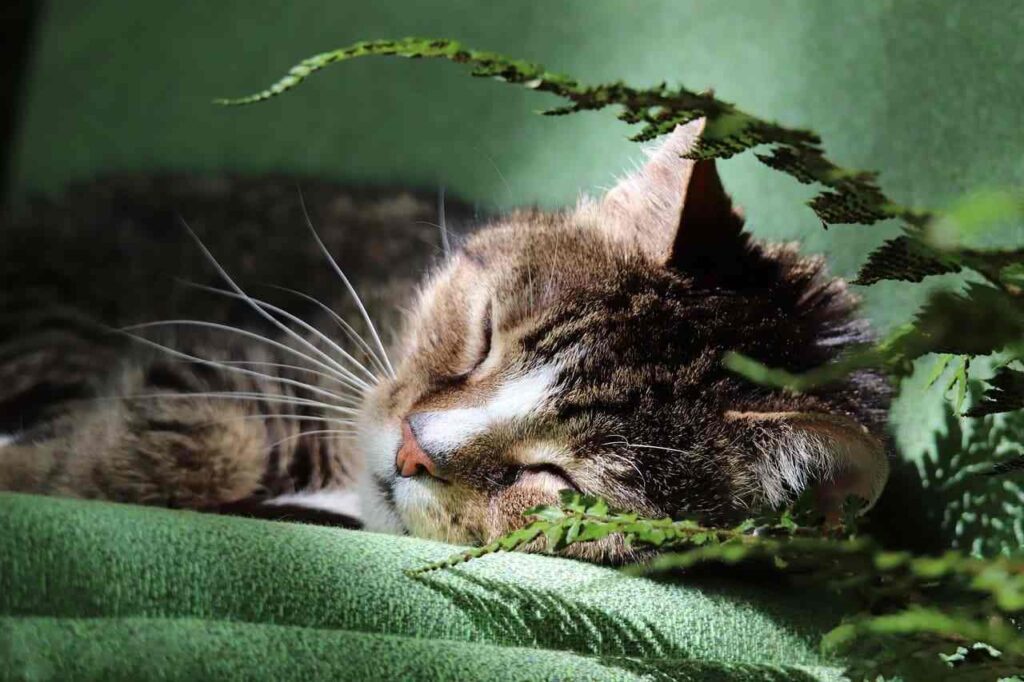
You don’t need expensive products to calm your pet. Simple, safe, and low-cost natural calming solutions work well when you know what to do.
DIY Calming Wraps: You can make a pressure wrap at home using an old scarf or stretchable fabric. Wrap it gently around your dog or cat to give a sense of security. This method mimics the effect of a Thundershirt and helps pets feel safe during storms or loud noises.
Homemade Calming Chews (Vet-Approved): Simple ingredients like oatmeal, peanut butter, or chamomile can make calming treats. Check with your vet before giving herbs or supplements. Homemade chews save money and provide the same benefits as store-bought calming chews.
Free Enrichment Ideas: Mental stimulation reduces anxiety and prevents boredom. Hide treats around the house, use puzzle toys, or make DIY toys with paper rolls or safe household items. This approach is practical and completely free, helping home remedies to calm pets.
DIY Safe Spaces: Create a cozy corner with blankets, pillows, and toys. Your pet will have a quiet retreat whenever they feel stressed. This space works well for both dogs and cats and is a budget-friendly way to lower anxiety.
Consistently using these techniques supports your pet’s emotional health. You can provide comfort, build trust, and reduce stress without spending much money.
When Natural Remedies Are Not Enough
Natural remedies help many pets, but some pets need extra support. You must recognize when anxiety goes beyond mild stress and requires professional care.
Severe Anxiety Symptoms: Pets who panic, hide constantly, cry nonstop, or show aggression need more than home remedies. These signs indicate that anxiety has become serious and needs attention.
Medical Causes: Sometimes, anxiety comes from health problems like thyroid issues, pain, or age-related confusion. Older pets often feel stressed at night or become irritable. Dogs and cats that have untreated pain may show anxiety even in familiar environments. Recognizing these causes ensures your pet gets proper care.
When Vet-Prescribed Medication May Be Needed: A veterinarian can evaluate your pet and recommend the best course of treatment. They may recommend vet-approved natural remedies along with prescription medication when necessary. Combining professional treatment with natural approaches yields safe, effective results.
Seeking professional help is not a failure. It shows that you care for your pet’s well-being. If you take timely action, you reduce stress, prevent behavior problems, and ensure your pet lives a balanced and happy life.
FAQ’s:
Q1: What is the best natural remedy for pet anxiety?
The best remedy depends on your pet’s needs. For mild stress, herbs like chamomile, valerian root, or lemon balm work well. Calming chews with L-theanine or CBD oil (vet-approved) also help. Safe exercise and a quiet space support all pets. These are proven natural calming remedies for pets.
Q2: Are natural calming remedies safe for cats and dogs?
Yes, most are safe when used correctly. Always follow proper doses and check ingredients. Some herbs and essential oils can irritate cats, so use natural cat anxiety remedies carefully. Consult a vet for pets with health issues.
Q3: How quickly do natural remedies work?
Some remedies, like calming chews or CBD oil, can work within 30–60 minutes. Herbs like chamomile or lemon balm take a few hours to show effects. Consistent daily habits, exercise, and enrichment also reduce anxiety over time.
Q4: Can I mix different natural calming products?
Avoid mixing multiple remedies without guidance. Combining herbs or supplements can cause stomach upset or interact with medications. Always consult your vet when using more than one product for vet-approved natural remedies.
Q5: When should I seek a vet’s help?
See a vet if your pet shows severe anxiety, aggression, sudden behavior changes, or stops eating. Health problems like pain, thyroid issues, and aging can cause anxiety. Early professional support helps keep your pet calm and healthy.
Conclusion:
Supporting your pet’s emotional health is possible with safe, natural remedies and consistent daily care. Every dog and cat reacts differently, so observe their behavior and adjust remedies to fit their needs. Gentle herbs, calming chews, pressure wraps, and enrichment activities can all reduce pet stress and anxiety when used correctly.
Consistency matters: Following daily routines, providing safe spaces, and using natural remedies regularly helps your pet feel secure and confident. Over time, these habits prevent anxiety from becoming a serious problem.
Always prioritize vet-guided choices. Consult your veterinarian before trying new supplements, herbs, or therapies. Combining professional advice with proven natural calming remedies for pets ensures safety and effectiveness.
If you use these methods, you can build trust with your pet. They feel calm, confident, and happy in your care. You can create a stress-free environment with patience and attention where your pet thrives physically and emotionally.