



Many dog owners struggle with the daily battle of brushing their dog’s teeth, especially when dealing with anxious or uncooperative dogs. If you’re a pet parent looking for practical alternatives to the toothbrush routine, you’re not alone in seeking gentler ways to clean dogs’ teeth without brushing.
This guide is perfect for busy dog owners, those with rescue dogs who fear dental handling, or anyone whose pup simply refuses traditional brushing methods. We’ll explore natural chew toys and bones that naturally scrape away plaque, dental treats,s and specially formulated foods that work. At the same time, your dog eats, and convenient water additives that require zero effort from both you and your furry friend.
These proven alternatives can help maintain your dog’s oral health without the stress and struggle of forced brushing sessions.
Natural Chew Toys and Bones for Plaque Removal
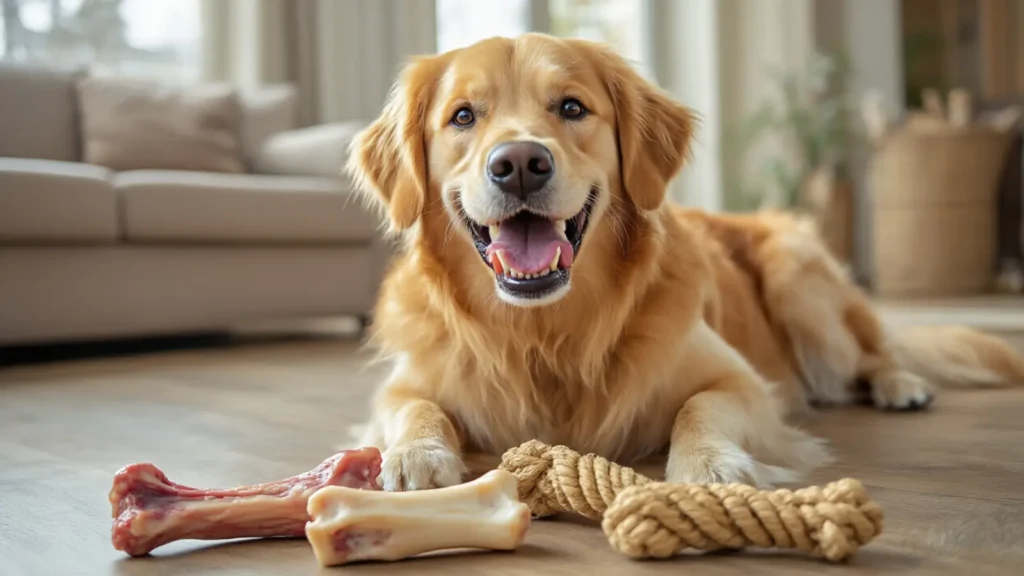
Raw bones that safely scrape away tartar buildup
Raw bones serve as nature’s toothbrush for dogs, providing an excellent way to clean dogs’ teeth without brushing. When your dog chews on a raw bone, the mechanical action naturally scrapes away plaque and tartar buildup from their teeth surfaces. The key is choosing the right type of bone according to your dog’s size and chewing intensity.
Beef knuckle bones, marrow bones, and lamb bones work particularly well for medium to large dogs. These bones should always be raw, never cooked, as cooked bones become brittle and can be dangerous for dogs. Raw bones maintain their flexible texture, making them safe for extended chewing sessions while effectively removing dental buildup.
Size matters when selecting bones. The bone should be large enough that your dog cannot swallow it whole, but not so large that they struggle to handle it properly. Always supervise your dog during bone time and remove the bone once it becomes so small that there’s a risk of swallowing.
Rope toys that floss between teeth naturally
Rope toys create a flossing action that reaches areas between teeth where plaque commonly gathers. The individual fibers of cotton rope naturally separate and work their way between your dog’s teeth, mimicking the action of dental floss. These rope toys are particularly effective for cleaning the tight spaces that other chewable items might miss.
Choose rope toys made from natural, unbleached cotton fibers. These materials are safe if small amounts are ingested during play. The texture of quality rope toys provides just enough abrasiveness to remove soft plaque without damaging tooth enamel or irritating gums.
Replace rope toys regularly as they begin to fray significantly. While some fraying is normal and beneficial for the flossing action, too much wear can make loose strings that might be swallowed risks.
Antlers and bully sticks for heavy chewers
Power chewers need durable options that won’t break apart quickly while still providing dental benefits. Deer antlers naturally shed and offer an extremely long-lasting chew that helps scrape away tartar through persistent gnawing action. Antlers contain beneficial minerals and maintain their hardness throughout extended use.
Bully sticks provide a softer alternative that still challenges aggressive chewers. It is made from dried bull muscle, these are gradually softened as dogs chew, making them digestible while still providing substantial cleaning action. The chewing process required to work through a bully stick gives teeth a thorough workout that helps maintain oral health.
Both options keep dogs engaged for extended periods, maximizing the teeth-cleaning benefits. Monitor your dog’s chewing style and choose appropriate sizes to prevent swallowing or choking hazards.
Dental-specific chew toys designed for oral health
Modern pet manufacturers have developed specialized chew toys specifically engineered to clean dogs’ teeth without brushing. These toys feature strategic ridges, nubs, and textures that target different areas of your dog’s mouth during play. Many incorporate toothpaste-flavored coatings or can be filled with dental paste to enhance their cleaning power.
Dental chew toys come in various hardness levels to accommodate different dogs’ needs. Softer versions work well for senior dogs or those with sensitive teeth, while firmer options challenge healthy adult dogs. Some designs include hollow centers for stuffing with treats, encouraging longer chewing sessions and maximizing dental benefits.
Look for dental toys approved by veterinary dental associations, as these have undergone testing to verify their safety and effectiveness. Replace these toys according to manufacturer recommendations to ensure optimal performance and safety.
Dental Treats and Special Foods That Clean Teeth
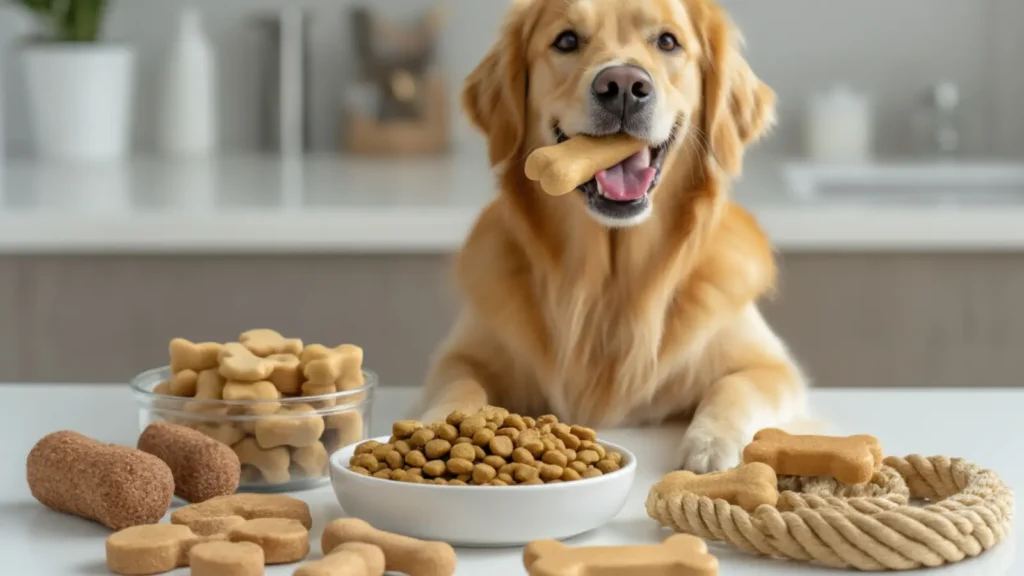
Prescription dental kibble that reduces plaque formation
Specially formulated dental kibble offers a convenient daily solution to clean dogs’ teeth without brushing. These prescription foods feature a unique texture and mechanical action that naturally scrapes away plaque as your dog chews. The kibble pieces are typically larger than regular dog food, dogs forced to crunch through them rather than simply swallow them whole.
Veterinary dental diets contain specific fiber arrangements that create an abrasive surface while remaining gentle on teeth and gums. Hill’s Prescription Diet t/d and Royal Canin Dental are two popular options that have earned the Veterinary Oral Health Council (VOHC) seal of acceptance for plaque control. These specialized foods work by mechanically removing plaque buildup during the natural chewing process.
The effectiveness comes from the kibble’s ability to maintain its structure until it reaches the gum line, where it fractures and removes accumulated debris. Many pet owners notice cleaner teeth and fresher breath within 2-3 weeks of switching to dental kibble.
Freeze-dried dental chews with enzyme action
Freeze-dried dental chews combine the benefits of natural enzymes with convenient storage and extended shelf life. These treats contain active enzymes like glucose oxidase and lactoperoxidase that break down harmful bacteria in your dog’s mouth while they chew.
The freeze-drying process preserves these beneficial enzymes while creating a satisfying texture that dogs love. Popular options include freeze-dried sweet potato chews, liver treats, and specially formulated dental sticks. The natural chewing action helps remove plaque mechanically, while the enzymes work at a molecular level to combat bacteria that cause bad breath and dental disease.
Unlike some processed treats, freeze-dried options retain their nutritional value and often contain single ingredients, making them suitable for dogs with food sensitivities. The extended chewing time required for these treats provides more thorough cleaning action compared to softer alternatives.
Coconut oil treats that fight bacteria naturally
Coconut oil contains lauric acid, which transforms into monolaurin when digested. It is a powerful antibacterial compound that targets harmful bacteria in your dog’s mouth. This natural approach helps maintain oral health without harsh chemicals or additives.
You can create simple coconut oil treats by mixing organic, unrefined coconut oil with dog-safe ingredients like pumpkin puree or plain Greek yogurt, then freezing them in ice cube trays. Some commercial treats now incorporate coconut oil specifically for dental benefits.
The antimicrobial properties of coconut oil help reduce bacteria that contribute to plaque formation, gingivitis, and bad breath. Regular use of coconut oil treats can complement other dental care methods and provide additional nutritional benefits like improved coat health and immune support.
Water Additives and Oral Sprays for Easy Application
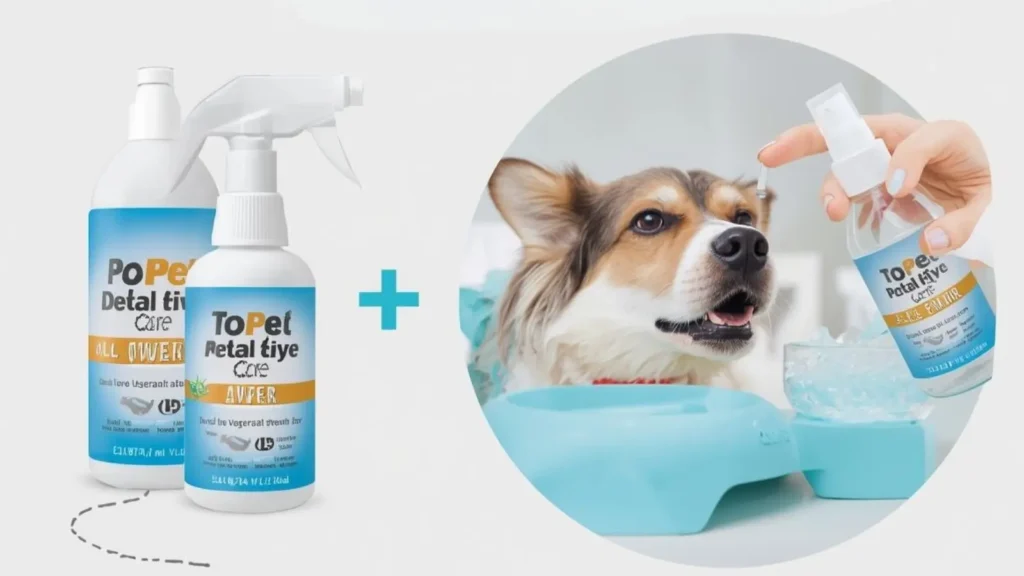
Enzyme-based water additives that break down tartar
Enzyme-based water additives offer one of the simplest ways to help clean your dog’s teeth without the hassle of brushing. These products contain special enzymes that work continuously as your dog drinks water throughout the day. The enzymes target the bacteria that form plaque and tartar, breaking down these deposits naturally.
Most enzyme additives are flavorless and odorless, so your dog won’t even notice the difference in their water. Popular options include glucose oxidase and lactoperoxidase systems, which create an environment hostile to harmful bacteria while supporting beneficial oral microorganisms. You simply add a few drops to your dog’s water bowl daily, and the enzymes get to work immediately.
The key advantage of enzyme additives is their continuous action. Unlike treats or toys that provide temporary cleaning, these additives work every time your dog takes a drink. Many veterinarians recommend specific brands that have undergone clinical testing to prove their effectiveness in reducing tartar buildup.
Probiotic oral sprays for healthy mouth bacteria
Probiotic oral sprays introduce beneficial bacteria directly into your dog’s mouth, creating a healthier oral environment. These sprays contain live microorganisms that compete with harmful bacteria responsible for plaque formation, bad breath, and gum disease.
The beauty of probiotic sprays lies in their ability to restore natural balance in your dog’s mouth. Just like probiotics support digestive health, oral probiotics promote dental wellness by crowding out pathogenic bacteria. Most dogs tolerate these sprays well since they typically have neutral or mildly pleasant flavors.
The use is straightforward – simply spray directly onto your dog’s teeth and gums once or twice daily. The probiotics that inhabit the oral cavity continue working long after application. Many owners notice improvements in their dog’s breath within days of starting treatment.
Natural breath fresheners with cleaning properties
Natural breath fresheners do double duty by addressing bad breath while providing cleaning benefits. Ingredients like parsley, mint, and spirulina not only freshen breath but also contain compounds that help break down bacteria and food particles.
Coconut oil-based fresheners deserve special mention because coconut oil has natural antimicrobial properties. When combined with other beneficial ingredients, these products can help reduce bacterial load in the mouth while leaving your dog’s breath smelling better.
Many natural fresheners come in spray form for easy application, while others are available as water additives. The cleaning action occurs through natural antibacterial compounds that don’t rely on harsh chemicals, making them safe for daily use.
Antiseptic rinses are safe for daily use.
Pet-safe antiseptic rinses provide antibacterial action without the potential toxicity of human mouthwash products. These rinses are specifically formulated for dogs and contain ingredients that kill harmful bacteria while being gentle enough for regular use.
Chlorhexidine-based rinses are among the most effective, though they should only be used as directed by a veterinarian. Milder options include rinses with natural antiseptic ingredients like tea tree oil (in safe concentrations) or zinc compounds.
The application method varies by product – some can be added to drinking water, while others require direct application to the teeth and gums. Daily use of appropriate antiseptic rinses can significantly reduce bacterial populations in your dog’s mouth, leading to cleaner teeth and healthier gums over time.
Professional and At-Home Dental Care Alternatives
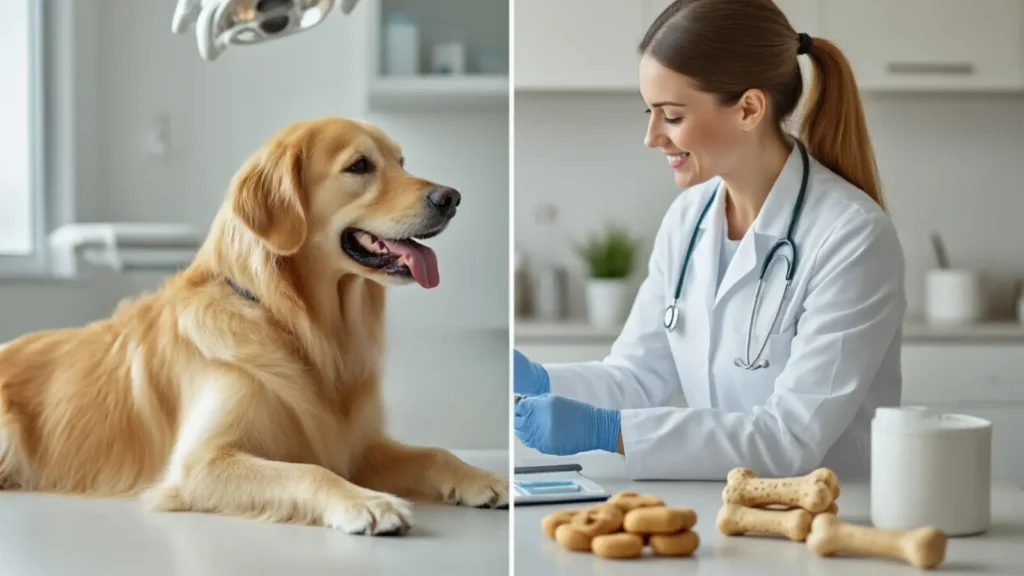
Finger Brushes with Dental Gel for Gentle Cleaning
Finger brushes offer a fantastic middle ground between traditional brushing and completely hands-off dental care. These silicone sleeves slip right over your index finger, featuring gentle bristles or nubs that massage your dog’s teeth and gums. The best part? Dogs typically tolerate finger brushes much better than regular toothbrushes because they feel more natural and less interfering.
When paired with an enzymatic dental gel, finger brushes become even more effective. The gel breaks down bacteria and plaque while you gently massage their teeth. Start slowly with just a few seconds on the front teeth, gradually working your way to the back molars as your dog gets comfortable. Most dogs actually enjoy the massage-like sensation once they’re used to it.
Choose finger brushes made from soft, food-grade silicone that won’t irritate sensitive gums. Replace them every few months or when the bristles start wearing down.
Ultrasonic Teeth Cleaning Devices for Dogs
Modern technology has brought ultrasonic cleaning to the pet world, offering a completely brush-free solution. These devices use high-frequency sound waves to break up plaque and tartar buildup without any scrubbing motion. The ultrasonic vibrations create microscopic bubbles that gently remove debris from hard-to-reach areas between teeth.
Most canine ultrasonic cleaners are handheld devices that you simply hold against your dog’s teeth for several seconds per tooth. No water, toothpaste, or brushing motions required but due to this process some sensitive dogs might initially react to the vibrations.
These devices work best as preventive tools rather than treatment for heavy tartar buildup. They’re perfect for dogs who absolutely refuse traditional brushing but still need regular dental maintenance. Battery-powered models offer the most convenience, while rechargeable versions provide consistent power output.
Professional Dental Cleanings Under Anesthesia
Sometimes professional intervention becomes necessary, especially for dogs with significant tartar buildup or gum disease. Veterinary dental cleanings provide the most thorough cleaning possible. During these procedures, your vet removes tartar below the gum line, polishes teeth, and can address any dental health issues.
The anesthesia allows for stress-free, comprehensive cleaning that would be impossible with an awake, anxious dog. Modern veterinary anesthesia is quite safe, especially with proper pre-anesthetic blood work and monitoring. Most dogs recover quickly and show immediate improvement in breath and oral comfort.
While not a regular maintenance option due to cost and anesthesia requirements, professional cleanings serve as an excellent reset button for your dog’s dental health.
Dental Wipes for Quick Daily Maintenance
Dental wipes provide the quickest and easiest daily dental care option. These pre-moistened wipes contain enzymes and mild abrasives that help remove plaque and freshen breath in just minutes. Simply wrap the wipe around your finger and gently rub your dog’s teeth and gum line.
The convenience factor makes dental wipes perfect for busy pet parents or dogs who won’t tolerate longer dental care routines. They’re also great for travel or as backup when other methods aren’t practical. Many wipes feature appealing flavors like chicken or beef that dogs actually enjoy.
While not as thorough as other methods, daily use of dental wipes can significantly improve oral health when combined with other dental care strategies. Look for wipes that are alcohol-free and contain natural enzymes for the safest, most effective cleaning.
Dietary Changes That Promote Natural Teeth Cleaning

Raw feeding benefits for dental health
Raw diets naturally support dental hygiene through mechanical action and nutritional benefits. When dogs chew raw meaty bones, the gnawing action scrapes away plaque and tartar buildup while strengthening jaw muscles. Raw meat requires more chewing effort compared to processed kibble, creating a natural brushing motion against tooth surfaces.
Raw bones contain enzymes that help break down bacteria in the mouth, reducing harmful microorganisms that cause bad breath and gum disease. The calcium and phosphorus in raw bones also contribute to stronger tooth enamel. Choose appropriately sized bones that match your dog’s size – chicken necks for small dogs, beef ribs for larger breeds.
Safety remains crucial when implementing raw feeding. Always supervise bone consumption and remove any pieces small enough to become choking hazards. Fresh bones are safer than cooked ones, which can splinter and cause internal damage.
Crunchy vegetables that scrub teeth naturally
Certain vegetables act as natural toothbrushes when dogs chew them. Carrots provide excellent abrasive action, scraping plaque off teeth while delivering vitamins and fiber. The crunching motion stimulates saliva production, which helps neutralize acids and wash away food particles.
Celery stalks work similarly, with their fibrous texture creating a flossing effect between teeth. Apple slices (without seeds) offer natural enzymes that combat bacteria while providing a satisfying crunch. Sweet potato chunks, when served raw, require significant chewing that promotes dental health.
These vegetables should be given in appropriate sizes to prevent choking. Start with small amounts to ensure your dog tolerates them well. While these options help clean dogs’ teeth without brushing, they work best as supplements to other dental care methods.
Avoiding sugary treats that feed harmful bacteria
Commercial dog treats often contain added sugars, corn syrup, and refined carbohydrates that feed oral bacteria. These ingredients create an acidic environment in the mouth, leading to enamel erosion and cavity formation. Reading ingredient labels helps identify problematic treats containing unnecessary sugars.
Bacteria in your dog’s mouth thrive on simple sugars, multiplying rapidly and producing acids that damage teeth and gums. This process mirrors what happens in human mouths when consuming sugary foods. Choosing treats with minimal processing and no added sweeteners protects dental health.
Replace sugary options with single-ingredient treats like dehydrated sweet potato, freeze-dried liver, or plain cooked chicken. These alternatives satisfy your dog’s desire for treats without compromising oral health. Natural treats often provide nutritional benefits while supporting the goal to clean dogs’ teeth without brushing through better dietary choices.
Human foods like grapes, chocolate, and artificially sweetened products pose additional dangers beyond dental concerns, making careful treat selection essential for overall health.
Conclusion
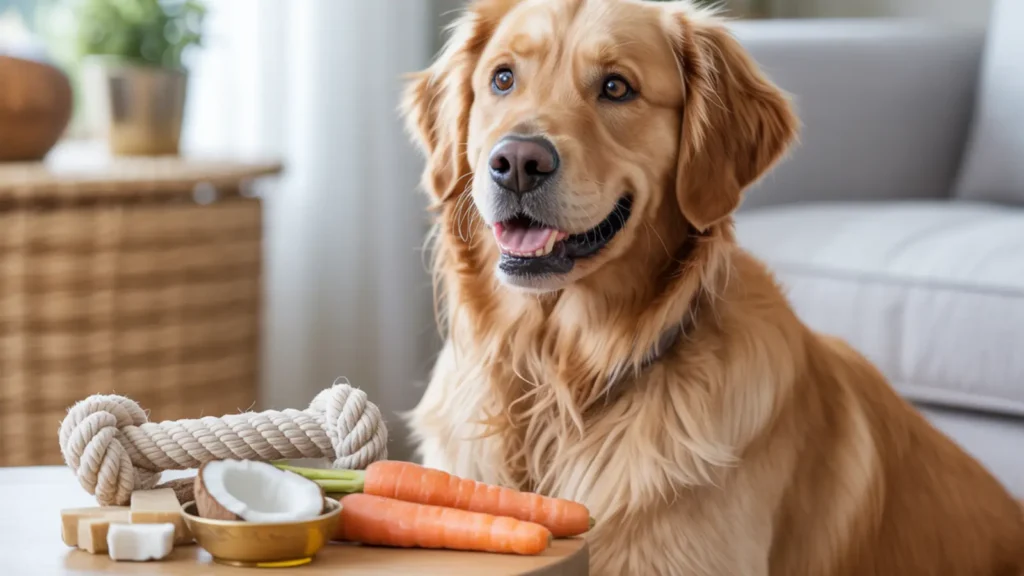
Keeping your dog’s teeth clean doesn’t have to be a daily wrestling match with a toothbrush. Natural chew toys, raw bones, and dental treats can do most of the heavy lifting when it comes to scraping away plaque and tartar. Adding water additives or oral sprays to your routine makes dental care as simple as filling their water bowl or giving a quick spritz after meals.
The best approach combines several methods that work for your dog’s personality and preferences. Some dogs love gnawing on antlers while others prefer softer dental chews, and that’s perfectly fine. Professional cleanings are still important for deep maintenance, but these alternatives can keep your pup’s mouth healthy between visits. Start with one or two methods that seem most appealing to both you and your dog, then build from there. Your dog’s breath will thank you, and you’ll both be happier without the daily toothbrush drama.