Complete Pet Grooming Tips Guide: Safe & Effective Care
Discover expert Pet Grooming Tips for safe, budget-friendly home care. Keep your dog or cat healthy, clean, and stress-free with simple routines. Pet grooming is not only about looking clean, but it also plays a significant role in your pet’s health, hygiene, and daily comfort. When you follow a good grooming routine for your pet, your dog or cat feels happier, more relaxed, and more confident. Many pet owners think grooming only means brushing or giving a bath, but it goes much deeper than that. Proper grooming supports firm skin, a healthy coat, and better overall well-being.
Smart and safe grooming also helps you spot early health problems. When you groom your pet at home, you check the skin, ears, teeth, paws, and coat closely. You notice signs such as dryness, bumps, fleas, redness, a bad smell, or tangled fur. Early detection helps you resolve minor issues before they become bigger problems. Many veterinarians say that regular hands-on grooming helps pet owners catch issues weeks before they become serious. It builds strong care and keeps pets healthier for a long time.
All the pet owners want adequate grooming, but also worried about budget, safety, and consistency. Grooming services are expensive somehow, and not every pet enjoys a trip to the groomer regularly. Home care offers a low-cost and simple option. With proper guidance, you can confidently groom your pet. Home grooming also gives you more control and helps your pet stay calm because they feel safe with you.
In this guide, you will learn easy steps for pet grooming at home, tools you can trust, and safe methods that work for both dogs and cats. My goal is to give you clear, simple, and expert-backed tips that help you care for your pet without stress or confusion.
How Coat Type Shapes the Grooming Routine

Your pet’s coat explains you how often you should brush, bathe, or trim. Thick coats need more brushing because they trap more, loose frequent hairs, and have excessive dirt. Soft and smooth coats need gentle brushing, but still need regular care to keep the skin clean and healthy. Proper grooming practice keeps your pet’s skin clean, coat shiny, and more comfortable.
Long-Haired vs Short-Haired Pets
Long-haired pets need more attention. They grow mats and tangles very fast. You brush them more often and use detangling tools to keep the coat smooth. Long-haired dogs like Golden Retrievers and long-haired cats like Persians need daily or every-other-day brushing for good coat maintenance.
Short-haired pets shed, too, but their coats require simpler care. You brush them a few times a week to reduce shedding and keep the skin healthy. Regular brushing also supports better airflow through the coat and reduces odors.
Age, Skin Type & Behavior Matter Too
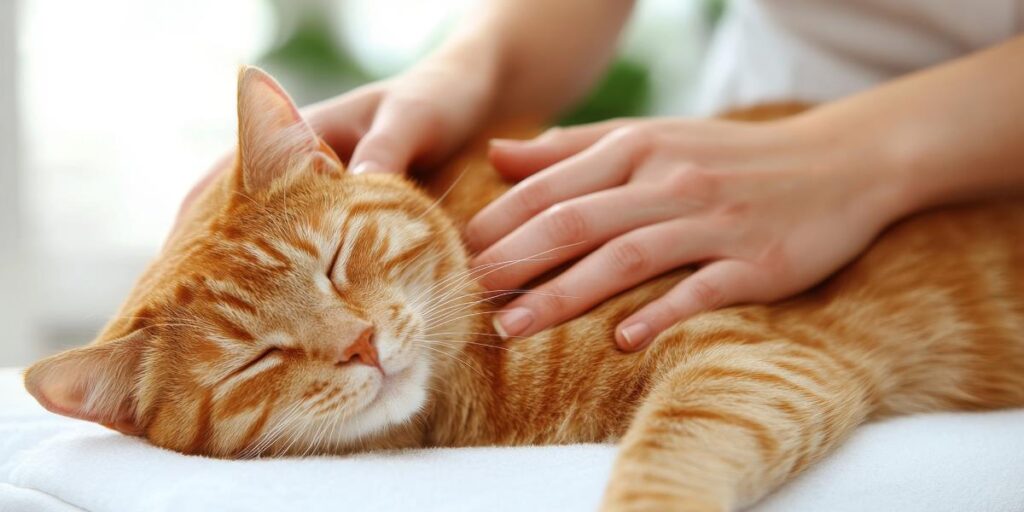
Your pet’s age affects grooming. Puppies and kittens need slow introductions. Senior pets need soft brushing and warm baths because their skin becomes sensitive.
Skin type also tells you what products to use. Pets with dry or itchy skin need gentle shampoos and careful brushing. Pets with oily skin need regular baths to keep their coats fresh.
Behavior plays an important role. Some pets love grooming, while others feel nervous about it. You use slow, gentle steps and a calm voice, also keep grooming sessions short for anxious pets. You reward them with treats and build trust over time. It helps them feel safe and makes grooming easy for both of you.
Why Understanding These Things Matters
When you know your pet’s coat, age, skin, and behavior, you choose a grooming plan that fits them completely. You need to avoid mistakes, save money, and keep your pet happy with these procedures. These simple dog grooming tips & cat grooming tips help you build a safe and smart grooming routine that works at home.
Essential Grooming Tools You Need at Home
You need the right tools to safely and efficiently groom your pet at home. Good tools help you keep your pet clean, reduce shedding, prevent skin problems, and build a smooth grooming routine. When you use the best pet grooming tools, you save time, avoid mistakes, and provide your pet with greater comfort during each session.
Must-Have Tools for Dogs & Cats
Brushes, Combs & De-shedding Tools
You need a basic brush for everyday grooming. So,You use it to remove loose hair, dirt, and tangles. You choose a slicker brush or a pin brush for long-haired pets. You select a soft-bristle brush for short-haired pets.
For heavy-shedding pets, you use de-shedding tools. These tools pull out loose undercoat hair and reduce shedding around your home. They also keep the coat healthy and smooth.
Nail Clippers vs Grinders
Nail care matters a lot. Long nails cause pain and change how your pet walks. You can choose nail clippers or a nail grinder. The Clippers cut the nails quickly. Grinders file the nail in small steps. Many pet owners choose grinders because they give more control and reduce the chance of cutting too deeply. Choose the tool that feels safe for you and calm for your pet.
Pet-Safe Shampoos
Always choose a safe pet shampoo. Human shampoo can harm a pet’s skin and cause dryness or itching. Look for shampoos with mild ingredients and no harsh chemicals. Use special formulas for sensitive, dry, or long-coated skin. A good shampoo keeps your pet clean and keeps the coat soft.
Ear Cleaning Solutions
Pets collect dirt and wax inside their ears. You use a gentle ear cleaning solution to remove buildup and prevent ear infections. Always use products made for pets. They keep the ears healthy without irritation.
Dental Care Items
A healthy mouth keeps your pet strong. You need a pet toothbrush and pet toothpaste. You also use dental wipes or dental chews if your pet does not like brushing. Daily or weekly dental care stops bad breath, plaque, and gum problems.
How to Choose Safe & Affordable Tools
Many pet owners worry about cost and safety. You can manage both when you choose wisely. So, you look for affordable pet grooming tools made from durable materials and designed to be gentle. You check reviews from other pet owners and recommendations from veterinarians. You should pick the tools that match with your pet’s size, coat type, and comfort level as well.
Always check the grip, blade quality, and overall feel of each tool. A good tool feels steady in your hand and works smoothly on your pet’s coat. You also avoid extremely cheap tools because they break quickly and cause stress for your pet. A few high-quality tools last longer and give you better results.
When you choose tools with care, you build a grooming setup that supports safe grooming, saves money, and keeps your pet calm during every session.
Step-by-Step Pet Grooming Routine (Dog & Cat Friendly)
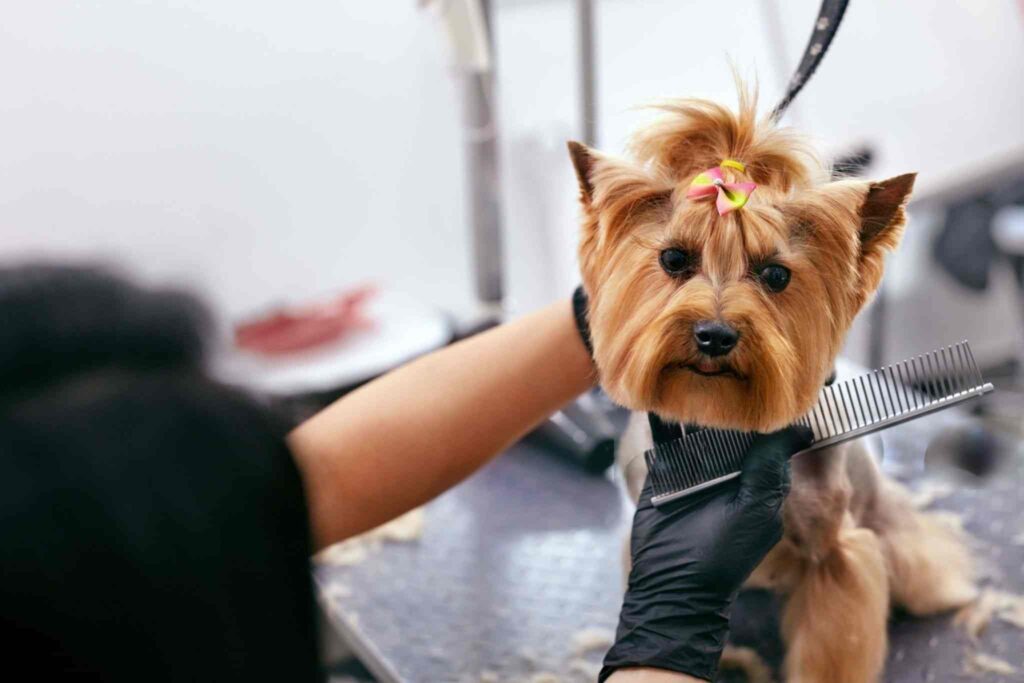
A clear grooming routine helps your pet stay clean, healthy, and comfortable. You also save money and reduce stress when you follow a simple pet grooming checklist. This routine works for both dogs and cats and keeps grooming easy for busy pet owners.
Daily Grooming Checklist
Brushing Routine
Daily brushing keeps the coat clean and removes loose hair. You follow a dog-brushing routine or cat-brushing advice based on your pet’s coat type. Long-haired pets need slow brushing to prevent tangles. Short-haired pets need quick brushing to reduce shedding and keep the skin healthy. Daily brushing also improves bonding and helps you check your skin for any early signs of problems.
Eye and Tear Stain Cleaning
Pets collect dirt and tears around their eyes. Clean the eye area gently every day. Use a soft cloth or pet-safe wipes. Regular cleaning prevents tear stains and keeps pet’s face fresh all the time. These simple steps promote better hygiene and helps prevent infections.
Paw Inspection
Paws collect dust, small stones, and sometimes grass seeds. You check the paws every day and remove anything stuck between the pads. Look carefully for cracks, dryness, or redness. Healthy and clean paws help pet to move comfortably, confidently and avoid pain as well.
Weekly Grooming Routine
Coat Brushing
Weekly brushing habbits supports deep coat care. You reach the undercoat, remove old hair, and keep the coat smooth and clean. These steps help pet’s with thicker coats stay clear, fresh and weavy. It also lowers shedding inside the home.
Ear Cleaning
Ears trap the wax, dirt, and moisture so fast. It is necessary to clean the ears once a week with a gentle pet’s ear cleaner. Apply a small amount of product, wipe carefully, and keep the ears dry. Clean ears lower the chance of odor and infection.
Dental Cleaning
Teeth need care just like the coat. Brush your pet’s teeth once or twice a week with the pet-safe brush and toothpaste. It stops plaque, tartar, and bad breath. If your pet dislikes brushing, pick the alternate. You can choose between dental wipes and dental chews. Regular dental cleaning supports long-term health.
Monthly Grooming Routine
Bathing Schedule
Most pets need a bath once a month. You choose a mild shampoo and give a warm bath. Massage the shampoo into the coat and rinse well. Twice a month giving them bath keeps the coat clean and removes odors without drying the skin. Your pet’s grooming schedule varies based on the coat type and lifestyle.
Nail Trimming
You trim the nails every 3–4 weeks. Short nails help pets walk normally and reduce discomfort. You use clippers or a grinder, whichever feels easiest and safest for you.
Fur Trimming for Specific Breeds
Some breeds grow long fur that needs monthly trimming. Breeds like Poodles, Shih Tzus, and many long-haired cats need small trims around the paws, face, and tail. Regular trimming keeps them clean and prevents mats.
Bathing Your Pet Safely at Home
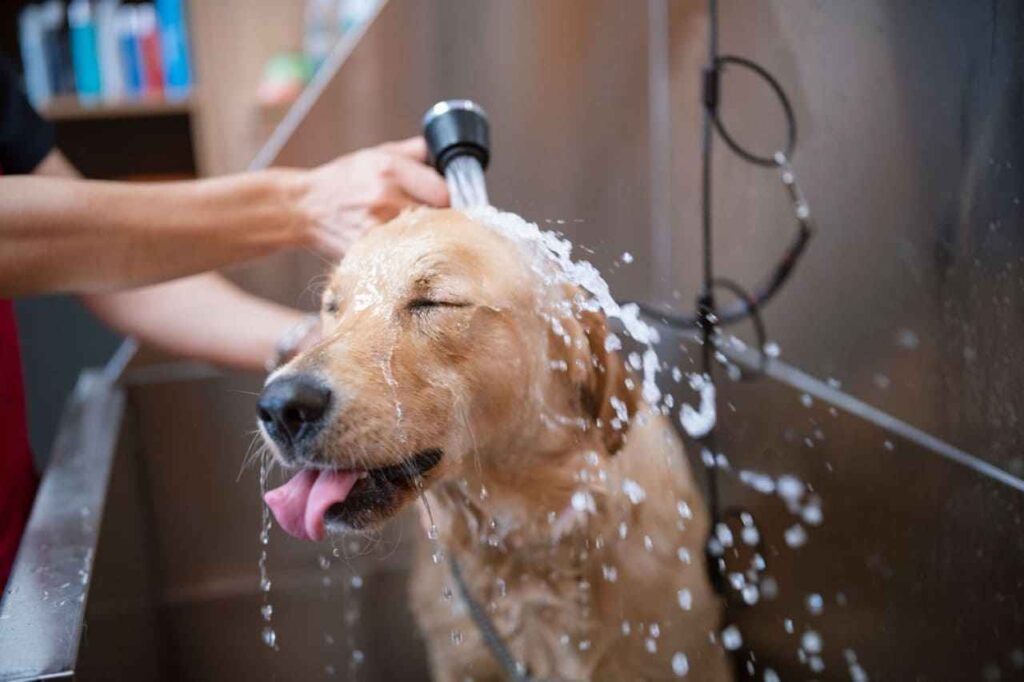
Bathing is a key part of a pet healthcare routine. It keeps your pet clean, removes dirt and odors, and supports healthy skin and a shiny weavy coat. When you bathe your pet safely at home, you reduce stress, prevent skin problems, and strengthen your bond.
When to Bathe Dogs vs Cats
Dogs usually need a bath every 4–6 weeks. Pets with oily coats or outdoor dogs may need more frequent baths. Cats generally groom themselves, so they need baths less often usually only when they get very dirty or sticky. Long-haired pets need more attention because their fur traps dirt easily.
How to Choose Hypoallergenic or Sensitive-Skin Shampoos
Choose hypoallergenic grooming products for pets with sensitive skin, allergies, or dryness. Avoid human shampoos, as they can harm pet skin. Look for shampoos that are free of harsh chemicals, fragrances, and dyes. Pet-safe shampoos keep the coat soft, clean, and healthy. If your pet has a skin condition, consult your veterinarian for the best product.
Step-by-Step Bathing Method
1- Prepare the Area: Fill a tub or sink with lukewarm water. Keep everything within reach of shampoo, towels, and a cup for rinsing.
2- Brush before Bathing: Remove loose hairs and mats before the bath. It prevents the pet from tangles.
3- Wet the Coat Thoroughly: Always use lukewarm water and wet your pet’s fur from neck to tail. Avoid the eyes and ears completely.
4- Apply Shampoo: Massage shampoo gently into the coat. Start from the neck and work towards the tail. Focus closely on dirty areas. Monitor behaviour as well.
5- Rinse Well: Rinse until the water runs clear. Make sure there is no leftover shampoo into the fur, Sometimes it irritates the skin and causes an infection.
6- Dry Carefully: Dry your pet with a clean towel. Use a low-heat hair dryer if your pet tolerates it. Ensure the coat is fully dry to prevent skin irritation or odor.
Preventing Skin Dryness and Irritation
- Limit the baths to avoid stripping natural oils from the coat.
- Always use a gentle brush after drying to stimulate blood flow and distribute natural oils.
- Check closely for redness, flakes, and monitor itching after each bath. These signs indicate that your pet is in need of a mild shampoo or shorter bath intervals.
By following these methods, your pet stays clean, comfortable, and healthy.
Coat Care: Reduce Shedding, Matting & Odors
A clean, shiny and weavy coat keeps your pet healthy, confident, and comfortable. Coat care on a regular basis prevents tangles, reduces the shedding, and controls odor and bad breath. Following easy and simple steps at home improves your pet’s appearance and overall well-being.
Brushing for a Shiny, Mat-Free Coat
Brushing keeps the coat smooth, removes loose hair, and distributes natural oils. You use coat-specific brushing strategies for the best results.
Long-haired pets: Brush slowly and gently to avoid pain. Focus on areas prone to mats, like behind the ears, under the legs, and around the tail. Follow long-haired dog grooming and cat grooming advice to prevent tangles.
Short-haired pets: Use a soft-bristle brush a few times a week to remove loose fur and stimulate the blood flow.
De-shedding Hacks for Heavy Shedders
Some pets shed more than others, especially during seasonal changes. You use de-shedding tools to safely remove loose undercoat hair.
- Always brush in the direction of hair growth to avoid pulling or discomfort.
- For heavy shedders, perform short daily sessions instead of long brushing periods.
- Combine de-shedding tools with regular brushing to remove hair before it spreads around the house.
Following these simple hacks lowers shedding naturally and keeps your home cleaner.
Tips to Prevent Odors Naturally
Odor comes from bacteria, dirt, and trapped oils. You control pet odor naturally with these steps:
- Always try to maintain a regular pet grooming at home with scheduled brushing and baths.
- Feed your pet with a balanced diet. Nutrition affects coat health and smell.
- Use occasional pet-safe sprays or wipes for quick freshening.
Regular coat care reduces mats, shedding, and odors, keeping your pet clean, comfortable, and happy.
Nail Trimming: Safe Techniques for Stress-Free Grooming
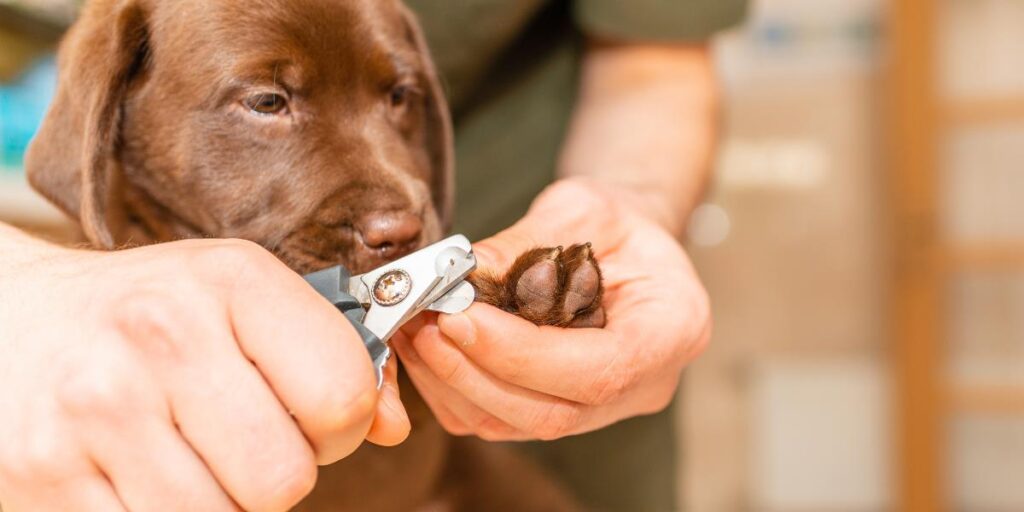
Trimming your pet’s nails is essential for comfort and health. Long nails make walking painful and can cause injuries. You follow safe methods to trim nails and reduce stress, especially for nervous pets. This pet nail trimming guide helps you maintain healthy paws at home.
How to Know When Your Pet’s Nails Need Trimming
Check your pet’s nails weekly. If the nails touch the floor when your pet stands, they are too long. Overgrown nails can curl or break. Signs that nails need trimming include clicking sounds when walking or difficulty gripping surfaces.
Nail Trimming vs Grinding
Clippers: Quick and precise. Use them if your pet tolerates fast cuts.
Grinder: Files nails gradually. It reduces the risk of cutting too deeply and works well for grooming anxious pets.
Choose the method that keeps your pet calm and safe.
How to Avoid Hurting the Quick
The quick is the sensitive part of the nail with blood vessels. Cutting it causes pain and bleeding. You trim a small amount at a time. If the nail is dark and you cannot see the quick, trim in tiny steps. Keep styptic powder nearby for emergencies.
Tips for Anxious Pets
- Create a calm environment with treats and gentle praise.
- Handle paws daily to get your pet used to touch.
- Take breaks if your pet becomes nervous.
- Use grinders for a slow, smooth and gentle nail filing that resists clippers.
Following these safe grooming practices keeps the nails short, prevents injuries, and makes grooming a calm and peaceful experience for both you and your pet.
Ear, Eyes & Dental Hygiene: The Often-Missed Essentials
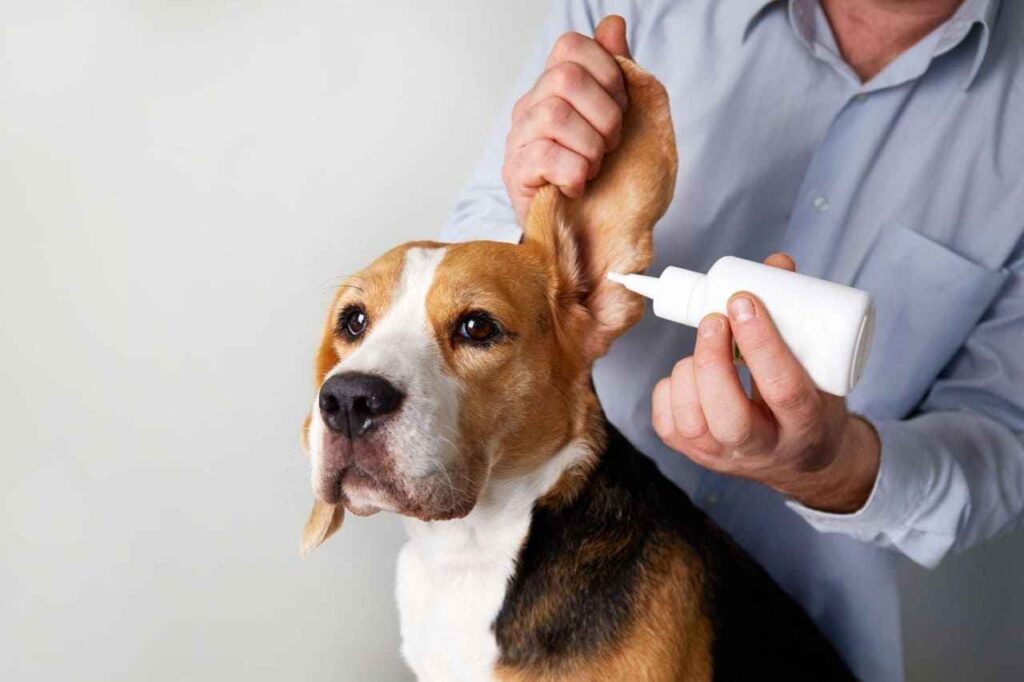
Many pet owners focus on the coat and nails but forget ear, eye, and dental care. These areas are also very essential for pet healthcare. Regular monitoring and care prevents infections, odor, and long-term health issues. Following a proper routine keeps your pet happy, comfortable, and healthy.
Ear Cleaning Tips
Pet ears collect dirt, wax, and moisture. If you ignore them, infections can develop. You follow simple steps for pet ear cleaning tips:
- Inspect the ears regularly for redness, odor, or discharge. Closely monitor inside the ear to avoid any infection
- Always use a gentle ear cleaning solution made for pets.
- Apply a few drops, massage the base of the ear, and wipe gently with a soft cloth or cotton ball.
- Avoid inserting anything deep into the ear canal.
Clean ears help prevent infections, keep odors at bay, and support long-term ear health.
Eye & Tear Stain Cleaning
Tear stains are common in dogs and some cats. Dirt and tear buildup can irritate the eyes. You use cleaning pet tear stain methods:
- Gently wipe the area daily with pet-safe wipes or a soft, damp cloth.
- Check for redness or swelling, which may require a vet visit.
- Regular cleaning prevents staining and keeps your pet’s face fresh.
This small habit supports comfort and hygiene without stress.
Dental Care
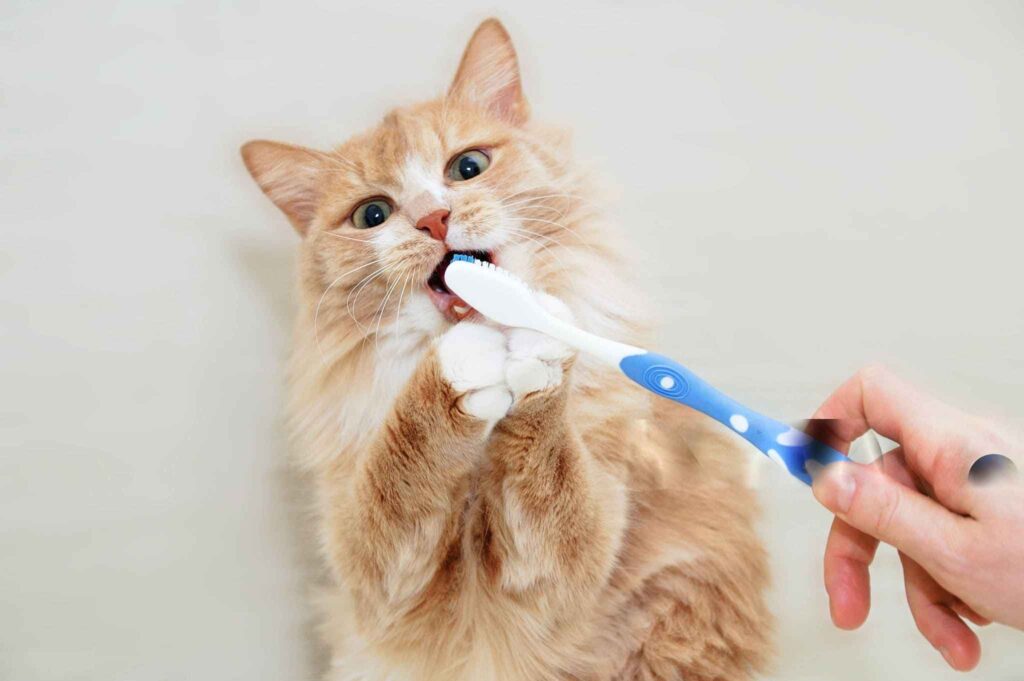
Dental health affects overall health. Poor dental care can cause pain, bad breath, and infections. Follow this pet dental care routine:
- Brush your pet’s teeth with pet-safe toothpaste and toothbrush 2–3 times a week.
- Offer dental treats or chews if your pet resists brushing.
- closely monitor the teeth and gums weekly for plaque, tartar, or redness.
Consistent dental care prevents future health problems and improves your pet’s well-being.
Regular ear, eye, and dental care complements brushing, bathing, and nail trimming. It completes a safe, effective pet grooming routine that keeps your pet healthy and happy.
Grooming for Skin and Coat Health
Healthy skin supports a shiny coat and overall well-being of a pet. Regular grooming procedure adoption helps identify problems early and prevent discomfort. Following a proper pet skin care routine keeps your pet comfortable, reduces health risks, and supports a beautiful coat.
Common Causes: Allergies, Dryness, Fleas, and Ticks
Allergies: Food, pollen, or chemicals can cause itching, redness, or rashes.
Dryness: Frequent bathing or harsh products can strip natural oils, leading to flaky skin.
Fleas and Ticks: Parasites irritate the skin, cause itching, and spread diseases.
Regular grooming lets you notice changes in your pet’s coat or skin and prevents serious problems.
What Products Are Safe for Sensitive Skin
Use dry skin solutions for pets and gentle grooming products designed for sensitive skin. Choose shampoos and conditioners without harsh chemicals, fragrances, or dyes. If your pet has fleas or ticks, use safe treatments recommended by the veterinarian. The combination of safe products with proper brushes keep the pet’s skin healthy and the coat shiny.
Grooming Tips for Specific Pet Types
Different pets need different grooming approaches. Puppies, kittens, senior pets, and high-maintenance breeds each require special care. Following the proper techniques keeps your pet comfortable, healthy, and happy.
Puppies & Kittens
Start grooming early to build trust. Introduce brushes and combs, and gradually introduce gentle handling.
- Use soft brushes and small grooming sessions.
- Reward your puppy or kitten with treats and praise.
- Focus on gentle grooming introduction to prevent fear or anxiety later.
- Make brushing, bathing, and nail trimming part of a positive routine.
Early grooming helps your young pet enjoy home grooming at home and learn healthy habits.
Senior Pets
Older pets need extra care because their skin can become sensitive, and their joints may stiffen.
- Use soft brushes to avoid skin irritation.
- Limit long grooming sessions and give breaks to avoid stress.
- Provide gentle baths with sensitive-skin shampoos.
- Inspect paws, nails, and coat more frequently because aging pets are prone to dryness and matting.
Proper care ensures senior pets remain comfortable and maintain healthy skin and coat.
High-Maintenance Breeds
Some breeds, like Poodles, Huskies, and Persians, require more attention.
- Poodles and Persians: Brush daily to prevent mats and tangles. Use detangling tools and follow long-haired cat grooming or dog grooming techniques.
- Huskies and other double-coated dogs: Focus on the coat maintenance for dogs with seasonal de-shedding to a reduced form of shedding.
- Trim hairs around the paws, ears, and face to avoid hygienic issues.
The most common practices in high maintenance breeds include routine daily or weekly activities that are equal to the coat and their level of activity. By adhering to these tips depending on the type of pet, each pet would get the care that is required based on their needs.
Seasonal Grooming Tips: Summer, Winter, Allergies
Pets need different care during each season. Following seasonal pet grooming tips keeps your pet comfortable, healthy, and safe year-round. Adjusting grooming routines helps protect the skin, coat, and paws from seasonal challenges.
Managing Shedding in Spring
Spring brings heavy shedding for many pets. You use:
- Daily brushing to remove loose undercoat and reduce hair around the house.
- De-shedding tools for long-haired dogs and cats.
- Short, regular baths to keep the coat clean without drying the skin.
Proper shedding management prevents mats, tangles, and skin irritation.
Winter Paw Protection
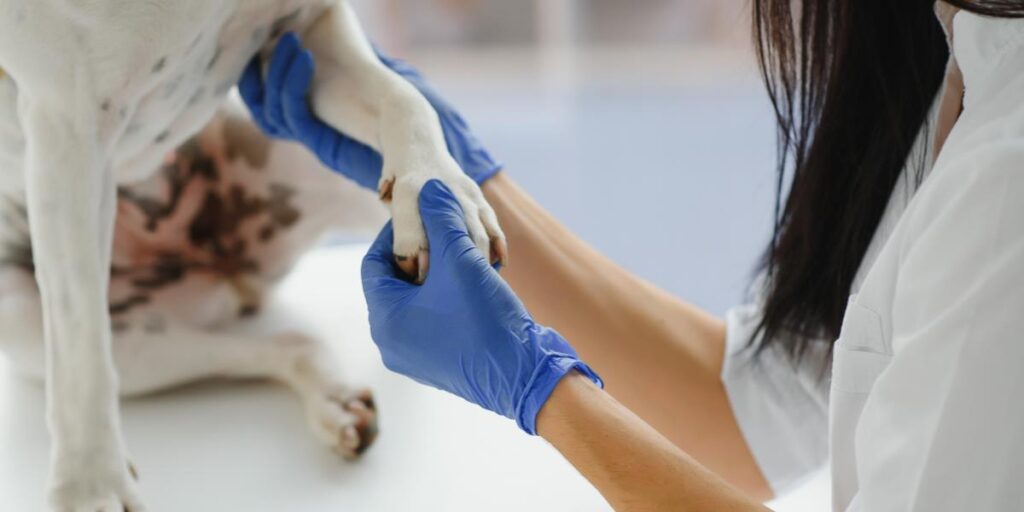
Cold weather, ice, and snow can hurt paws. Follow these paw care tips:
- Check pads daily for cracks or redness.
- Apply pet-safe paw balm to prevent dryness and cracking.
- Wipe paws after walks to remove salt, snow, or chemicals.
- Keep nails trimmed to avoid slipping or injuries.
Winter paw care keeps your pet comfortable and prevents painful problems.
Summer Coat and Bath Care
Hot weather increases skin issues, odor, and matting. Use these summer grooming tips:
- Brush frequently to prevent tangles and remove loose hair.
- Bathe with gentle, cooling pet-safe shampoos as needed.
- Ensure pets stay hydrated and avoid overheating during grooming.
- Watch for signs of allergy season pet care, such as redness, itching, or sneezing.
Seasonal grooming helps your pet stay comfortable, healthy, and happy, no matter what the weather is.
Safety Tips: Every Pet Owner Must Follow
Systematic grooming steps keeps a pet healthy, but safety always comes first. Following pet grooming safety tips stop injuries, discomfort, and long-term health issues. Safe practices make grooming a stress-free procedure for pets.
Check Water Temperature
Always use lukewarm water for baths. Water that is too hot or too cold can stress your pet or cause burns. Test the water before starting and adjust as needed for comfort.
Avoid Over-Trimming Nails
Trimming nails too short can cut the quick, causing pain and bleeding. Trim a small amount at a time and check frequently. Use clippers or grinders that suit your pet’s size and comfort.
Products to Avoid
- Human shampoos, soaps, or conditioners
- Strong chemical sprays or fragrances
- Unapproved flea or tick treatments
Always choose safe pet grooming products designed specifically for pets. Read labels and consult a veterinarian if unsure.
Red Flags: Skin Infections, Matted Fur and Behavioral Issues
Skin problems, tangled fur, and sudden shifts in behavior are often your pet’s way of telling you something is wrong. Redness, constant scratching, flaky patches, or unusual bumps can indicate infections or allergies that need quick attention. Matted fur is more than just a grooming issue; it can pull on the skin, cause pain, restrict movement, and trap moisture that leads to irritation. Behavioral changes such as restlessness, hiding, or sudden aggression may also signal discomfort.
If you notice any of these signs, go and schedule a professional check-up immediately. An early intervention prevents complications and supports pet’s comfort.
Conclusion:
Maintaining a consistent grooming routine keeps your pet healthy, comfortable, and happy. By following the safe pet grooming practices, you can prevent skin issues, matting, shedding, and discomfort.
You don’t need expensive tools or professional sessions every time. A simple, budget-friendly pet grooming routine at home, brushing, bathing, nail trimming, and ear, eye, and dental care support long-term health and well-being.
Gentle handling, calm environments, and positive reinforcement help nervous pets feel safe and relaxed. Following veterinarian-approved practices ensures your grooming routine remains reliable, safe, and beneficial for your dog or cat.
FAQs:
Q1: How often should I groom my dog or cat?
- Dogs generally need a bath every 4–6 weeks, depending on their coat type and activity.
- Cats usually groom themselves, but long-haired breeds may need weekly brushing and occasional baths.
- Daily or weekly brushing supports a grooming routine for pets and reduces shedding naturally.
Q2: What are the first signs of a skin infection in pets?
Early signs include redness, constant itching, foul smell, hair loss, and scabs. If you notice any of these symptoms, consult a veterinarian before the infection worsens.
Q3: How can I reduce shedding naturally?
- Brush your pet regularly to remove loose hair
- Use de-shedding tools for long-haired pets
- Provide a balanced diet and stay consistent with grooming
- Keep the coat clean with occasional baths using pet-safe shampoo
These natural methods for reducing shedding lower hair around the home and improve coat health.
Q4: Is it safe to bathe my cat at home?
- Yes, with proper preparation and gentle handling.
- Use lukewarm water and a hypoallergenic grooming product made for cats.
- Keep sessions short, reward calm behavior, and dry the coat thoroughly.
Safe bathing supports cleanliness and prevents skin irritation.
Q5: How do I calm an anxious pet during grooming?
- Speak softly and give treats for calm behavior
- Use gentle grooming techniques and short sessions
- Introduce brushes, clippers, and nail tools gradually
- Use pet-safe sprays or gloves to reduce stress
Following these stress-free grooming-at-home tips makes grooming easier for nervous or reactive pets.