




Published: February 19, 2026 | Category: Vaccination | Reading Time: 8 minutes

As a cat parent, few decisions carry more weight than protecting your furry companion from preventable diseases. Vaccinations are the cornerstone of feline preventive healthcare, yet the scheduling process often feels confusing. When should kittens get their first shots? Do indoor cats really need vaccines? How much should you expect to pay?
We believe in empowering you with accurate, veterinarian-approved information. This guide presents the latest 2024-2025 vaccination recommendations from the American Animal Hospital Association (AAHA), the Feline Veterinary Medical Association (FelineVMA), and the World Small Animal Veterinary Association (WSAVA). Consider it your trusted roadmap for keeping your cat healthy at every age.
Understanding Core vs. Non-Core Vaccines
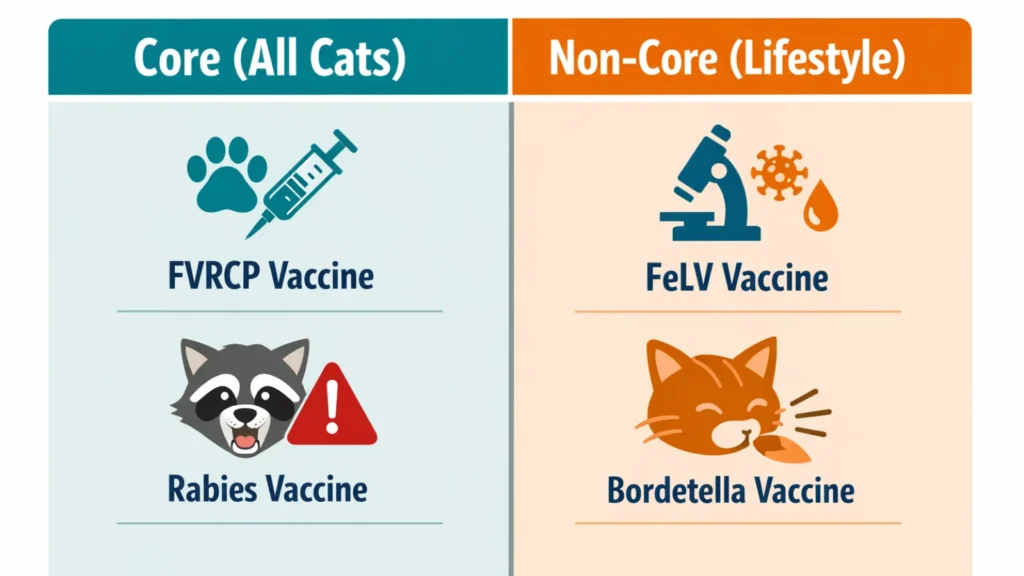
Not all vaccines are created equal, and your cat does not need every shot available. Veterinary medicine divides vaccines into two distinct categories: core and non-core. Understanding this difference is your first step toward making informed decisions.
Core Vaccines: Essential for Every Cat
Core vaccines are medically necessary for all cats, regardless of whether they live strictly indoors or venture outside. These diseases are either highly contagious, severely debilitating, fatal, or transmissible to humans.
FVRCP (The “Distemper” Combination Shot)
This single injection protects against three serious viruses:
- Feline Viral Rhinotracheitis (Herpesvirus): A major cause of upper respiratory infections. Once infected, cats become lifelong carriers, and stress can trigger recurring symptoms.
- Calicivirus: Another leading cause of respiratory disease, often causing painful mouth ulcers and pneumonia in severe cases.
- Panleukopenia (Feline Distemper): Highly contagious and often fatal. It attacks rapidly dividing cells, causing severe vomiting, diarrhea, and immune suppression. This virus is not related to canine distemper.
Rabies Vaccine
Rabies is 100% fatal and poses a public health risk because it can be transmitted to humans. Most states and municipalities legally require rabies vaccination for cats, not just veterinary recommendations.
Non-Core Vaccines: Based on Lifestyle
Non-core vaccines are administered only when a cat’s specific environment and lifestyle put them at risk. Your veterinarian will assess these factors during annual wellness exams.
Feline Leukemia Virus (FeLV)
FeLV is a leading cause of illness and death in cats, spreading through close contact such as grooming, shared food bowls, and bites. The WSAVA strongly recommends that all kittens receive the initial FeLV vaccine series, regardless of lifestyle. After adulthood, boosters are given only to cats who spend time outdoors, live with FeLV-positive companions, or are otherwise exposed.
Other Non-Core Options
Vaccines for Bordetella and Chlamydia may be considered for cats entering boarding facilities, multi-cat households with recurrent respiratory issues, or environments with confirmed outbreaks.
The Kitten Vaccination Schedule: Month-by-Month Guide
Kittens are born with temporary immunity passed through their mother’s milk. These maternal antibodies are essential for early protection, but they also interfere with vaccines. As these antibodies naturally fade between 6 and 16 weeks of age, a series of properly timed shots helps ensure your kitten builds lasting defenses.
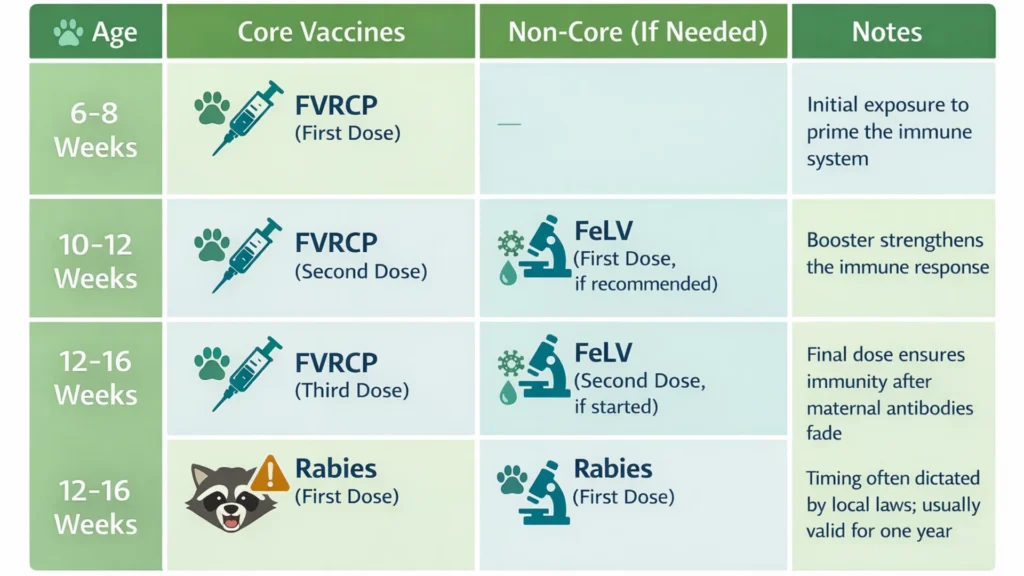
Important: The kitten series is not complete until the final FVRCP booster at or after 16 weeks of age. Your kitten is not fully protected until then, so limit exposure to unvaccinated animals or outdoor environments during this period.
The Adult Cat Vaccination Schedule: Maintaining Protection
Once your cat reaches one year of age, the vaccination schedule shifts from frequent visits to routine maintenance. This is also the time to discuss lifestyle changes with your vet that may affect non-core vaccine needs.
The 1-Year Booster Visit
At approximately 12 to 16 months of age, your cat needs two important boosters:
- FVRCP Booster: This strengthens the immunity established during kittenhood.
- Rabies Booster: Given one year after the first kitten rabies vaccine.
The 3-Year Cycle (For Most Core Vaccines)
After the 1-year booster, veterinary guidelines recommend administering FVRCP and rabies vaccines every 3 years, not annually. However, this depends on two factors:
- Vaccine Type: Some rabies vaccines are licensed for one year, others for three years. Your vet will choose the appropriate product.
- Local Laws: Some municipalities still require annual rabies vaccination regardless of the vaccine used. Always verify local ordinances.
Summary for Adult Cats (Ages 1-15):
- FVRCP Booster: Given 1 year after the kitten series, then every 3 years.
- Rabies Booster: Given 1 year after the first adult shot, then every 1-3 years based on vaccine type and law.
- FeLV Booster: Annually for cats with continued outdoor exposure or other risk factors.
Senior Cats: No Retirement from Protection
As cats enter their golden years (around age 15 and above), some owners question whether vaccines are still necessary. The answer is yes, but with careful consideration. Aging immune systems can lose effectiveness over time, making protection even more vital.
Veterinarians will conduct a thorough senior wellness evaluation before vaccinating, often including blood work to ensure your cat’s organs are healthy enough to handle the immune stimulation. The goal is always to balance protection with overall well-being.
Cat Vaccination Schedule and Cost Breakdown
Cost is a practical concern for every pet owner. Being financially prepared helps ensure you never delay necessary protection. Prices vary significantly by region, clinic type, and whether an exam fee is included.
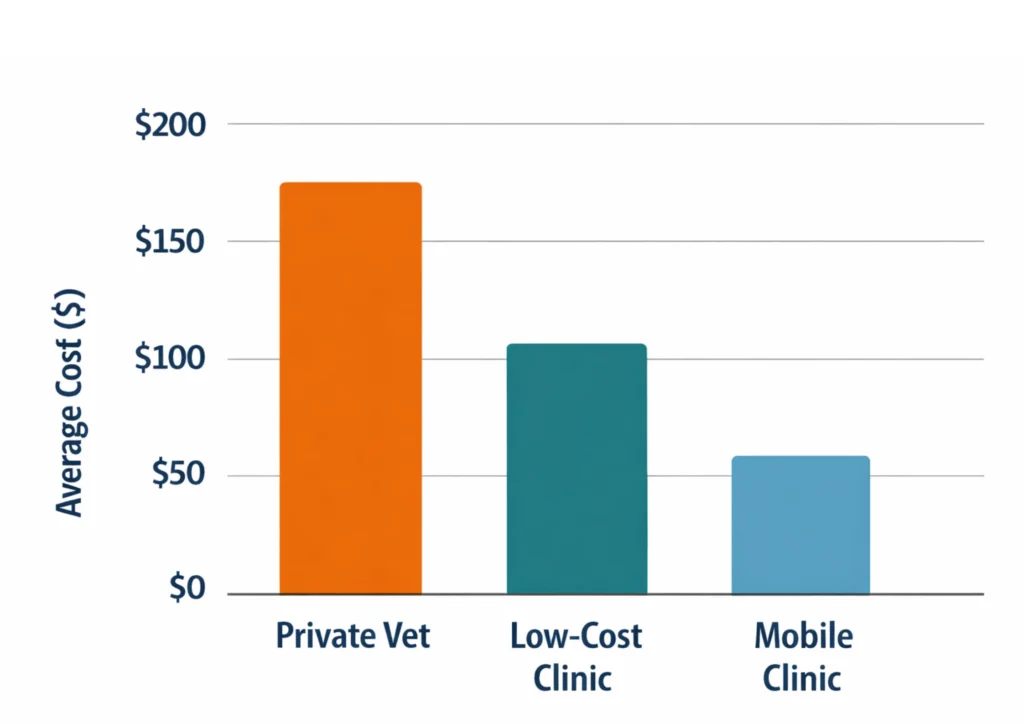
Average Vaccine Costs (Without Exam Fee)
- FVRCP (Core): $25 to $45 per dose
- Kitten Series Total: $75 to $135 (three doses)
- Rabies (Core): $20 to $35 per dose
- FeLV (Non-Core): $35 to $50 per dose
Where to Vaccinate: Comparing Options
- Private Veterinary Hospitals: The highest cost, but they include a comprehensive physical exam. This exam is critical for detecting hidden health issues such as heart murmurs, dental disease, or early kidney problems before they become serious.
- Low-Cost Vaccine Clinics: Often run by animal shelters or community organizations. Shots typically range from $15 to $25. These are excellent for healthy cats on a budget, but may not include a full physical exam.
- Mobile Vaccine Clinics: Convenient and moderately priced, offering services at pet supply stores or community centers.
Important Cost Note: Always ask whether the quoted price includes the office visit or exam fee. At private clinics, this fee ($40 to $70) is typically separate from the vaccine cost.
Cat Vaccine Side Effect
Cat vaccines are super safe for most kitties, with hardly any side effects. When they do happen, they’re usually mild and short-lived—no big deal, and they clear up on their own.
Common ones include:
- A bit of sleepiness
- Soreness where the shot went in
- Skipping a meal or two
Serious reactions are really rare, but keep an eye out and call your vet ASAP if you see:
- Vomiting
- Swelling on the face
- Trouble breathing
- Collapsing soon after the shot
You might hear about Feline Injection-Site Sarcoma (FISS), a rare tumor that can pop up at the injection spot. Vets cut this risk by using non-adjuvanted vaccines (no funky additives that cause inflammation). At Banfield, we stick to top-notch vaccines, follow safety steps, and check your cat thoroughly afterward.
Chat with your vet team about any worries—they’ll tailor a safe vaccine plan just for your cat.
Partnering with Your Veterinarian

Vaccination is not a one-size-fits-all process. It is a personalized healthcare strategy developed through open dialogue between you and your veterinary team. Use this guide as a foundation for informed conversations, not as a replacement for professional medical advice.
By following a science-based vaccine schedule, you are giving your cat the greatest gift: a longer, healthier, and happier life by your side.
Frequently Asked Questions
How often do indoor cats need vaccines?Indoor cats absolutely need core vaccines. While their risk is lower, it is not zero. Viruses can be carried indoors on shoes and clothing, and indoor cats can escape or require emergency boarding, where exposure occurs. After the initial series and 1-year booster, FVRCP is typically given every 3 years. Rabies frequency depends on local law.
Can I get multiple cats on the same vaccine schedule?
Yes, absolutely. In fact, scheduling all your cats for wellness visits at the same time simplifies your life and ensures everyone is protected simultaneously. Your veterinarian can administer the necessary vaccines during a single appointment block.
What is the normal vaccination schedule for dogs and cats?
While the concept of a puppy and kitten series is similar, the specific vaccines differ. Cats require protection against panleukopenia, calici, herpes, and rabies. Dogs require core protection against distemper, parvovirus, adenovirus, and rabies. For households with both species, consult your veterinarian to create a combined schedule.
What are the side effects of cat vaccines?
Most side effects are mild and short-lived (24 to 48 hours). These may include lethargy, a slight fever, reduced appetite, or local soreness at the injection site. Rare but serious allergic reactions require immediate veterinary care and include facial swelling, vomiting, diarrhea, or difficulty breathing.
Does my cat need the FeLV vaccine if they never go outside?
For kittens, the initial FeLV series is widely recommended because their immune systems are developing and their future lifestyle may change. For strictly indoor adults with no exposure to potentially infected cats, the risk is extremely low. Discuss your cat’s specific situation with your veterinarian.